If you’re a music lover, you’ve probably heard the term “tenor” used before. But what does it actually mean? In simple terms, tenor refers to the highest range of male singing voice. However, the meaning of the word goes beyond just music. In this article, we’ll explore the different meanings of tenor and how it is used in everyday language.
What is a Tenor?
In music, the tenor voice is the highest male voice type. It is known for its bright, clear sound and is often used in choral music, opera, and musical theater. Tenors are typically classified as either “lyric” or “dramatic,” depending on the weight and color of their voice.
Outside of music, the word “tenor” can have a variety of meanings, depending on the context in which it is used.
Tenor in Language
In everyday language, the word “tenor” can be used to describe the general meaning or mood of something. For example, if someone were to say “the tenor of the meeting was very positive,” they would be referring to the overall atmosphere or tone of the meeting.
The word “tenor” can also be used to describe someone’s general character or behavior. In this context, it is often used in the phrase “the tenor of his ways,” which means the general pattern of someone’s behavior over time.
Tenor in Finance
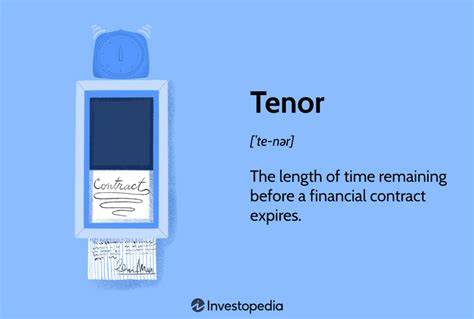
In finance, the term “tenor” is used to describe the length of time until a financial instrument, such as a bond or loan, reaches maturity. For example, a bond with a tenor of 10 years would take 10 years to reach maturity and for the issuer to repay the principal.
According to John, a financial analyst, “Tenor is an important concept in finance because it affects the risk and return of a financial instrument. Generally, the longer the tenor, the higher the risk and potential return.”
Tenor in Real Estate
In real estate, the term “tenor” is used to describe the length of time remaining on a lease. For example, if a tenant signs a lease with a tenor of 5 years, they are obligated to pay rent for 5 years before the lease expires.
According to Emily, a real estate agent, “Tenor is an important factor to consider when leasing a property because it affects the stability of the income stream for the landlord. A longer tenor generally means more stability and less risk for the landlord.”
Conclusion
As we’ve seen, the meaning of tenor can vary depending on the context in which it is used. Whether it’s in music, language, finance, or real estate, the word tenor has different meanings that are important to understand. By knowing the different meanings, you can avoid confusion and communicate more effectively.
What do you think about tenor? Do you have any other meanings to add? Let us know in the comments below!

